


Charter Flights

Available Fleet

Blog
Contacts


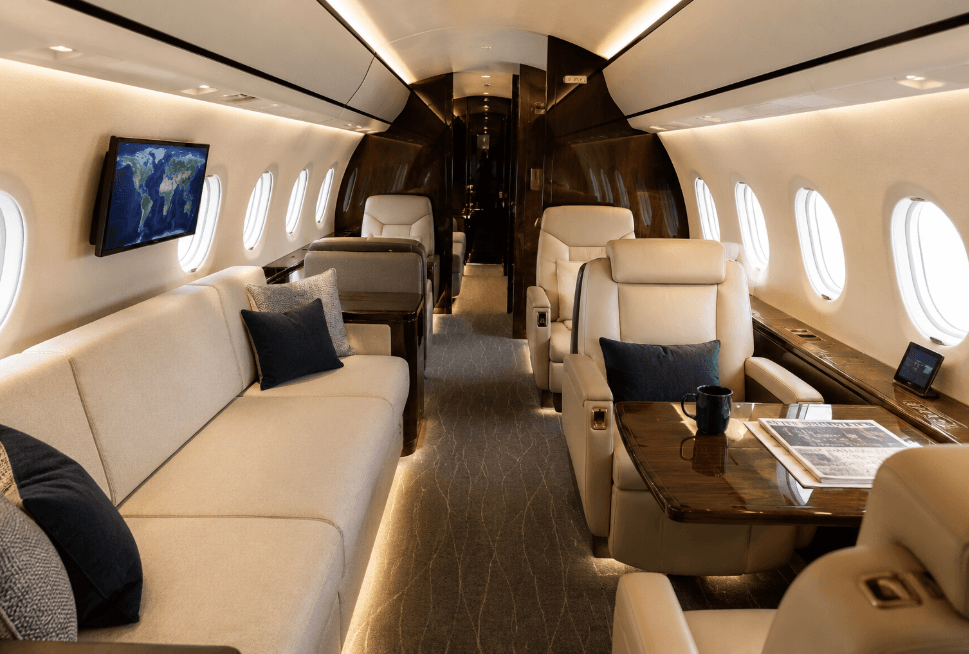
In private aviation, the passenger experience begins long before an aircraft departs the runway. Increasingly, the quality of executive mobility is shaped not solely by aircraft performance or onboard luxury, but by the efficiency, discretion, and sophistication of ground infrastructure systems supporting the journey. At the center of this ecosystem stands the Fixed Base Operator, commonly known as the FBO.
FBOs have evolved from basic aviation service providers into highly specialized operational and hospitality environments designed to support executive travelers, high-net-worth individuals, corporate leadership teams, and international mobility networks. In modern aviation markets, these facilities serve as strategic gateways where transportation, hospitality, security, and personalized service converge to create a seamless passenger experience.
Unlike commercial airport terminals optimized for mass transportation, FBOs are intentionally designed around speed, flexibility, privacy, and operational precision. Their role extends far beyond passenger processing alone. They shape first impressions, preserve executive productivity, support security coordination, and establish continuity between ground mobility and inflight experience.
As private aviation becomes increasingly integrated into global luxury and business ecosystems, ground infrastructure excellence has emerged as one of the industry’s most important competitive differentiators.
What Is an FBO?
A Fixed Base Operator is a private aviation facility providing ground support services for private aircraft, charter operations, passengers, and crews.
Typical FBO services include:
FBOs operate as dedicated private aviation terminals separate from commercial airport systems.
The Evolution of Executive Aviation Infrastructure
Historically, FBOs primarily focused on technical aviation services such as fueling and maintenance. Over time, however, the rapid expansion of executive aviation transformed these facilities into comprehensive mobility environments emphasizing hospitality, efficiency, and passenger comfort.
Today’s premium FBOs increasingly resemble luxury hotels or private business lounges rather than traditional transportation terminals.
This transformation reflects broader changes within private aviation itself, where travelers increasingly expect fully integrated mobility experiences rather than isolated transportation services.
The Psychology of Arrival
In private aviation, the passenger experience begins the moment a traveler enters the terminal.
Unlike commercial airports characterized by:
FBOs provide highly controlled environments designed to reduce stress and improve emotional comfort.
Passengers typically experience:
This controlled atmosphere significantly influences the overall perception of travel quality.
Hospitality as Competitive Advantage
Modern FBOs increasingly emphasize luxury hospitality principles involving:
Hospitality quality has become a major differentiator within competitive executive aviation markets.
For many travelers, the FBO experience defines the emotional tone of the entire journey.
Reducing Friction in Executive Mobility
Time efficiency remains one of the most valuable advantages of private aviation.
FBOs improve operational performance by minimizing:
Passengers may often arrive only minutes before departure while maintaining smooth, highly coordinated boarding procedures.
Faster Ground-to-Air Transitions
Dedicated FBO infrastructure allows direct access between:
This streamlined coordination significantly reduces idle waiting time and improves executive productivity.
For high-frequency travelers operating under compressed schedules, these efficiencies may carry substantial operational value.
Privacy as Infrastructure
Privacy remains one of the defining characteristics of private aviation, and FBOs play a central role in preserving this discretion.
These facilities frequently provide:
For executives, celebrities, diplomats, and family offices, reduced public visibility is often operationally essential.
Integrated Security Coordination
FBOs increasingly function within broader executive protection systems involving:
This integrated approach improves safety while preserving continuity and discretion throughout the travel process.
Supporting Continuous Business Operations
Modern executives frequently travel while maintaining active involvement in:
FBO environments support productivity through:
These controlled conditions allow passengers to preserve focus during high-frequency travel schedules.
Minimizing Cognitive Fatigue
Commercial airport environments often create cognitive stress through:
FBOs reduce these pressures by offering calmer, more predictable operational environments.
This reduction in cognitive load contributes significantly to traveler well-being and decision-making performance.
North American Operational Efficiency
North American FBO networks often emphasize:
Airports such as Teterboro and Van Nuys have become internationally recognized examples of high-capacity executive aviation ecosystems.
European and Middle Eastern Luxury Standards
European FBOs frequently prioritize:
Meanwhile, Middle Eastern executive terminals increasingly emphasize:
These regional differences reflect broader cultural approaches to executive mobility and luxury service.
Digital Passenger Coordination
Modern FBOs increasingly integrate advanced digital systems involving:
These technologies improve responsiveness while reducing procedural friction.
Artificial Intelligence and Personalization
Artificial intelligence increasingly supports personalized passenger experiences through analysis of:
Predictive service coordination allows FBOs to anticipate traveler needs before arrival.
Environmental Responsibility in Ground Infrastructure
As sustainability expectations increase across aviation markets, FBOs are increasingly adopting environmentally responsible operational practices.
Initiatives may include:
These improvements align executive aviation infrastructure with broader environmental objectives.
Smarter and More Adaptive Facilities
Future FBO development will likely emphasize:
Ground infrastructure is expected to become increasingly intelligent and adaptive.
Beyond Transportation
Modern FBOs increasingly function as extensions of broader luxury ecosystems involving:
Travelers increasingly expect continuity between these services and the inflight experience itself.
The Emotional Dimension of Mobility
Ground infrastructure influences more than operational efficiency alone.
Well-designed FBO environments contribute to:
These psychological factors increasingly shape how travelers evaluate private aviation providers.
FBOs as Strategic Competitive Assets
As private aviation markets become increasingly competitive, ground infrastructure quality will likely remain one of the industry’s most important differentiators.
Operators capable of delivering:
will likely maintain strong competitive advantages.
The Evolution of Executive Mobility Ecosystems
Future executive aviation systems will likely become increasingly integrated across:
FBOs will remain central to this evolution because they serve as the physical and operational bridge connecting all components of the private aviation experience.
Ground infrastructure excellence has become a defining characteristic of modern private aviation. FBOs no longer function merely as technical support facilities; they operate as strategic gateways shaping passenger perception, operational continuity, security coordination, and executive productivity throughout the travel process.
Their importance reflects a broader transformation within aviation itself, where mobility increasingly depends upon seamless integration between transportation, hospitality, technology, and personalized service ecosystems.
As private aviation continues to evolve toward greater flexibility, sustainability, and global connectivity, FBOs will likely remain among the most influential components in shaping the future of the executive travel experience worldwide.
What is an FBO in private aviation?
An FBO, or Fixed Base Operator, is a private aviation facility that provides services such as passenger handling, aircraft fueling, concierge support, ground transportation coordination, and executive terminal operations.
Why are FBOs important in executive aviation?
FBOs improve operational efficiency, privacy, passenger comfort, and scheduling flexibility while creating a seamless transition between ground transportation and aircraft boarding.
How do FBOs differ from commercial airport terminals?
Unlike commercial terminals designed for high passenger volumes, FBOs focus on personalized service, reduced congestion, faster processing, and discreet executive mobility.
What services do modern FBOs typically provide?
Modern FBOs often offer:
How do FBOs improve time efficiency?
FBOs minimize delays by providing direct aircraft access, faster passenger processing, reduced taxiing congestion, and streamlined security procedures.
Why is privacy important at FBOs?
Many private aviation travelers — including executives, celebrities, diplomats, and investors — require confidential environments that reduce public exposure and operational visibility.
How does technology improve FBO operations?
AI systems, mobile coordination platforms, predictive scheduling tools, and real-time communication systems improve operational responsiveness and passenger personalization.
Are FBOs becoming more environmentally sustainable?
Yes. Many facilities now incorporate electric ground vehicles, sustainable fuel infrastructure, energy-efficient terminals, and waste reduction initiatives.
What role will FBOs play in the future of private aviation?
FBOs will likely become increasingly integrated into broader luxury mobility ecosystems involving advanced technology, sustainability systems, personalized service coordination, and intelligent operational infrastructure.