


Charter Flights

Available Fleet

Blog
Contacts


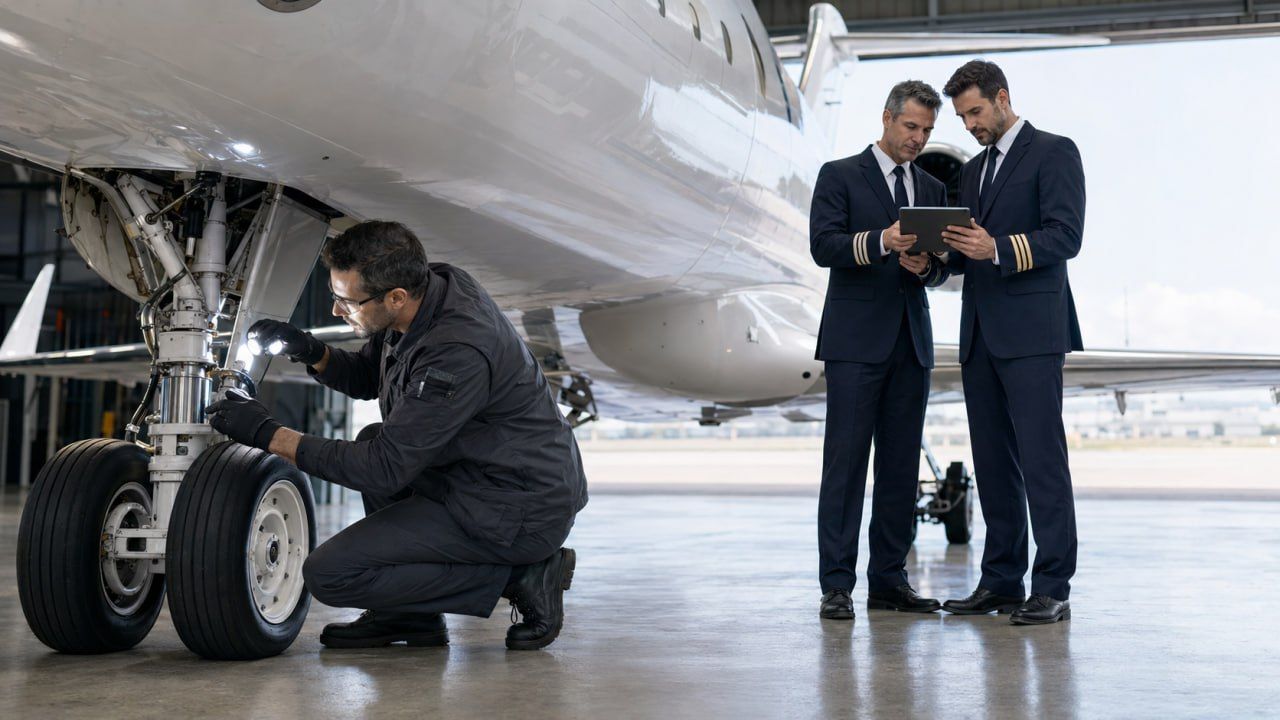
For decades, first-class airline cabins represented the highest standard of air travel available to most passengers. Spacious seating, premium dining, dedicated lounges, and personalized service created a significantly elevated experience compared to commercial economy travel. However, the growth of private aviation has introduced a compelling alternative for travelers seeking greater flexibility, efficiency, and exclusivity.
As access to private jet charter services, jet card programs, and membership-based aviation solutions has expanded, an increasing number of travelers are evaluating whether private aviation offers greater value than traditional first-class airline travel. While private jets are often associated with luxury, the true comparison extends beyond comfort alone. Factors such as time savings, productivity, privacy, accessibility, operational flexibility, and overall travel experience play a critical role in determining value.
The answer is not simply a matter of cost. Rather, it depends on how travelers define value and which aspects of travel are most important to their personal or professional objectives.
This article examines the key differences between private jet travel and first-class commercial aviation, providing a comprehensive analysis of the advantages, limitations, and value propositions of each option.
One of the most common misconceptions in aviation is that luxury and value are synonymous. While luxury focuses primarily on comfort and premium amenities, value encompasses a broader assessment of benefits relative to cost.
A first-class airline ticket may offer an exceptional onboard experience at a lower price point than a private jet charter. However, if a traveler loses hours navigating crowded terminals, adhering to rigid schedules, and enduring indirect routing, the overall value equation changes significantly.
Private aviation often delivers value through efficiency, flexibility, and productivity rather than luxury alone. For business leaders, entrepreneurs, and organizations where time represents a valuable resource, these advantages can outweigh the additional financial investment.
Consequently, evaluating value requires consideration of both direct costs and indirect benefits.
Perhaps the most significant difference between private aviation and commercial first-class travel is airport accessibility.
Commercial airlines operate within fixed route networks that primarily serve major airports. Even premium passengers remain limited by airline schedules and available routes.
Private jets, by contrast, can access thousands of airports worldwide, including many regional and secondary airports unavailable to commercial airlines.
This capability allows travelers to fly significantly closer to their final destinations, reducing ground transportation requirements and total travel time.
For example, a traveler attending multiple meetings across different cities may save several hours - or even an entire day - by utilizing private aviation rather than connecting commercial flights.
When evaluating value, access to a broader airport network often represents one of the strongest arguments in favor of private aviation.
Time has become one of the most valuable commodities in modern business and personal life.
Although first-class passengers enjoy priority check-in, expedited security procedures, and premium lounges, they remain subject to many of the same constraints as other airline travelers.
Typical commercial travel may require:
Private aviation largely eliminates these inefficiencies.
Passengers typically arrive at a private terminal just minutes before departure, board immediately, and depart according to their chosen schedule. Upon landing, travelers can leave the airport almost instantly.
For executives, business teams, and high-net-worth individuals, these time savings can have substantial economic value.
In many cases, the ability to conduct multiple meetings in different cities within a single day would be impossible using commercial airline schedules.
Privacy has become increasingly important in today's interconnected world.
While first-class cabins provide greater comfort and personal space than economy seating, passengers still share the aircraft with hundreds of other travelers. Conversations may be overheard, and privacy remains inherently limited.
Private jets provide a fundamentally different environment.
Passengers control the cabin environment and travel exclusively with invited guests, colleagues, family members, or business associates. This creates an ideal setting for confidential discussions, strategic planning sessions, and sensitive business activities.
For corporate executives, legal professionals, government officials, and public figures, the ability to conduct conversations securely during transit often represents a significant operational advantage.
Privacy is not merely a luxury feature - it can be an important business asset.
Commercial airline schedules are designed to maximize network efficiency rather than accommodate individual travelers.
Even first-class passengers must adapt their plans to airline schedules, available routes, and airport operating constraints.
Private aviation reverses this relationship. The aircraft operates according to the traveler's schedule.
Meetings can be extended without concern for missed flights. Departure times can often be adjusted. Multiple destinations can be incorporated into a single itinerary. Last-minute travel requirements can frequently be accommodated.
This level of flexibility is particularly valuable for business travelers operating in dynamic environments where schedules change frequently.
The ability to maintain control over travel arrangements often contributes more value than premium onboard amenities alone.
Business productivity is another important consideration.
Modern first-class cabins provide comfortable work environments, power outlets, Wi-Fi connectivity, and enhanced seating. However, productivity may still be constrained by surrounding passengers and the limitations of a shared environment.
Private aircraft function as mobile offices.
Teams can conduct meetings, review confidential documents, negotiate transactions, and collaborate without interruption. The cabin becomes an extension of the workplace rather than simply a mode of transportation.
For organizations that frequently transport executives or project teams, the productivity benefits of private aviation can generate measurable business value.
In certain cases, the ability to utilize travel time effectively may offset a portion of the charter expense itself.
First-class airline products have evolved significantly in recent years.
Leading international carriers now offer private suites, lie-flat beds, premium dining experiences, luxury amenities, and exceptional service standards. On long-haul international routes, first-class cabins provide remarkable levels of comfort.
However, private aviation offers a different type of experience.
Rather than standardized luxury, private jets provide personalization. Passengers can customize catering, cabin arrangements, departure times, onboard services, and travel schedules according to their preferences.
The absence of crowded terminals, boarding queues, and shared cabin environments further enhances the overall experience.
For travelers who prioritize exclusivity and personalization, private aviation often delivers a superior experience despite the impressive quality of modern first-class airline products.
Cost remains one of the most important distinctions between private aviation and first-class travel.
A first-class airline ticket may range from several thousand dollars to more than ten thousand dollars on long-haul international routes.
Private jet charters can cost significantly more, depending on aircraft type, route, and mission requirements.
However, direct ticket pricing does not always tell the complete story.
When several passengers travel together, private aviation costs can be distributed across the group. In certain circumstances, the per-person cost becomes more competitive than many travelers expect.
Furthermore, organizations frequently evaluate travel costs based on total business impact rather than transportation expenses alone. Time savings, increased productivity, schedule flexibility, and enhanced efficiency may create economic benefits that offset higher charter costs.
Consequently, the value comparison depends heavily on the traveler's priorities and objectives.
Both commercial airlines and private aviation operators maintain rigorous safety standards.
Commercial airlines benefit from highly structured operating environments and extensive regulatory oversight. Similarly, reputable private aviation providers adhere to stringent safety protocols, crew training requirements, and maintenance standards.
Private aviation does, however, offer greater control over the travel environment.
Passengers know exactly who is traveling onboard. Exposure to crowded terminals is reduced. Ground operations are streamlined. Security procedures can often be managed more discreetly and efficiently.
For travelers who prioritize privacy, discretion, and controlled travel environments, these factors may contribute significant value.
Sustainability is becoming an increasingly important factor in aviation decision-making.
Commercial airlines generally achieve greater fuel efficiency on a per-passenger basis because they transport large numbers of travelers simultaneously.
Private aviation faces greater environmental scrutiny due to lower passenger densities. However, the industry is investing heavily in Sustainable Aviation Fuel (SAF), advanced aircraft technologies, carbon reduction initiatives, and more efficient operational practices.
When evaluating travel options, environmentally conscious travelers should consider both operational efficiency and ongoing industry efforts to reduce emissions.
The answer depends entirely on the traveler's priorities.
For individuals primarily focused on minimizing travel expenses while enjoying premium comfort, first-class airline travel often represents an excellent value proposition.
For travelers who prioritize time efficiency, schedule flexibility, privacy, productivity, and access to a broader airport network, private aviation frequently delivers greater overall value despite its higher cost.
Business leaders, entrepreneurs, executives, sports teams, entertainers, and families traveling together often find that the operational advantages of private aviation justify the additional investment.
Ultimately, value is not determined solely by the ticket price or charter quote. It is defined by the combination of efficiency, convenience, productivity, comfort, and control that each travel solution provides.
The comparison between private jets and first-class airline travel extends far beyond luxury. While first-class cabins offer exceptional comfort and service, private aviation provides a fundamentally different travel experience centered on flexibility, privacy, efficiency, and control.
For some travelers, first-class represents the optimal balance between cost and comfort. For others, particularly those whose schedules, productivity requirements, or privacy concerns are paramount, private aviation delivers significantly greater value.
As technology continues to improve accessibility and transparency within the private aviation sector, travelers increasingly have the ability to choose the solution that best aligns with their individual needs and priorities.
Rather than asking which option is universally better, the more relevant question is which option delivers the greatest value for a specific journey.
It depends on the traveler's priorities. Private jets offer greater flexibility, privacy, and efficiency, while first class generally provides a lower-cost premium travel experience.
Yes. In most cases, first-class airline tickets cost significantly less than chartering an entire private aircraft.
Executives often value the time savings, productivity benefits, schedule flexibility, privacy, and airport accessibility that private aviation provides.
Yes. Private aircraft can access thousands of airports worldwide, including many regional airports unavailable to commercial airlines.
Private jets generally offer greater privacy and personalization, while leading first-class products provide exceptional luxury within a shared airline environment.
Yes. Private jets function as mobile offices where teams can conduct meetings and work confidentially during travel.
Private aviation typically saves substantially more time by reducing airport processing requirements and offering direct routing.
Both sectors maintain high safety standards. Safety depends on operator quality, maintenance practices, regulatory compliance, and crew training.
Private aviation often delivers the greatest value for travelers who prioritize time efficiency, flexibility, privacy, and productivity.
Yes. When multiple passengers share the aircraft, the charter cost is distributed among the group, improving cost efficiency.
Private aviation generally offers greater flexibility regarding baggage, special equipment, and customized travel requirements.
Advances in technology, digital booking platforms, jet cards, membership programs, and shared access models are expected to improve accessibility over the coming years.