


Charter Flights

Available Fleet

Blog
Contacts


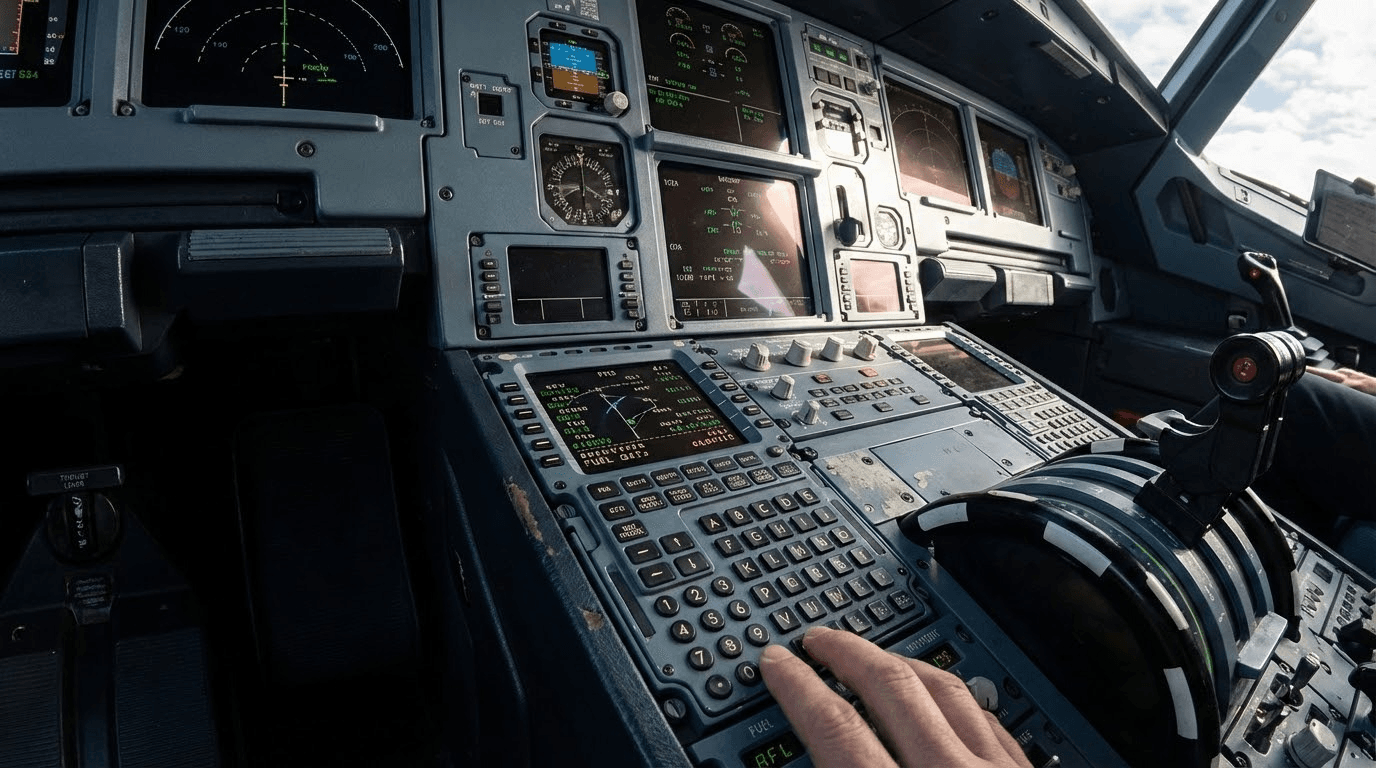
In the dynamic and rapidly evolving world of private aviation, the adoption of cutting-edge technology has transitioned from a strategic advantage to an operational necessity. Private flight operators are under constant pressure to ensure not only impeccable safety but also operational efficiency and unparalleled passenger experience. The integration of advanced technologies - from predictive maintenance platforms to artificial intelligence (AI)-driven flight analytics - has transformed the way private operators manage their fleets, monitor aircraft performance, and interact with clients. With the aviation landscape becoming increasingly competitive, technology serves as the backbone of modern private flight operations, enabling operators to maintain high safety standards while delivering superior service. This article provides an in-depth exploration of the tools, systems, and innovations that are shaping the private aviation industry, with particular emphasis on safety, operational efficiency, and customer satisfaction.
Historically, private aviation relied heavily on manual processes, analog instruments, and experience-based decision-making. Unlike commercial airlines, private operators managed smaller fleets and prioritized bespoke service over systemic efficiency. Over the past decade, however, the technological gap has narrowed significantly. Today, private aviation embraces innovations such as fully integrated avionics, real-time engine monitoring, automated scheduling systems, and predictive maintenance tools. These technologies have introduced a new era of precision and reliability, reducing human error and providing actionable insights that were previously unattainable. From enhanced navigation capabilities to digital cockpit systems, technology has revolutionized operational workflows and set new benchmarks for safety and efficiency in private aviation.
The modern private aviation client is discerning and expects more than just transportation - they demand a seamless, safe, and highly personalized experience. Technology provides a competitive edge by enabling operators to differentiate themselves through operational excellence and service innovation. Advanced flight management systems allow for precise route optimization, reducing fuel costs and travel time, while AI-driven passenger management platforms ensure bespoke services, including personalized meals, in-flight entertainment preferences, and connectivity solutions. Operators who embrace technology not only reduce operational risks and costs but also enhance customer satisfaction, fostering client loyalty and establishing themselves as leaders in an increasingly competitive sector.
The backbone of modern private aviation is advanced navigation systems, such as Flight Management Systems (FMS), GPS-based avionics, and satellite-based augmentation systems (SBAS). These systems provide pilots with real-time data on aircraft position, altitude, speed, and fuel efficiency. By analyzing flight data, these technologies enable operators to select optimal flight paths, reduce fuel consumption, and minimize travel time. Advanced navigation tools also integrate with air traffic control (ATC) systems to improve situational awareness, reduce risk, and enhance compliance with international airspace regulations.
Weather remains one of the most unpredictable variables in aviation. Modern meteorological monitoring systems provide pilots with continuous updates on wind patterns, turbulence, storms, and other atmospheric conditions. Predictive weather software uses AI algorithms to forecast potential risks along planned routes, allowing operators to proactively adjust flight paths. This not only enhances passenger safety but also reduces delays, fuel consumption, and operational disruptions, demonstrating the critical role of weather technology in private flight operations.
Predictive maintenance has revolutionized aircraft servicing by moving from reactive to proactive strategies. Using AI and big data, predictive maintenance software identifies patterns in aircraft component performance and predicts potential failures before they occur. This proactive approach reduces unscheduled downtime, lowers repair costs, and significantly enhances safety. Maintenance teams can schedule interventions during non-critical periods, ensuring operational continuity and reliability while extending the lifespan of aircraft systems.
Real-time engine monitoring involves continuous tracking of critical engine parameters, such as temperature, vibration, oil pressure, and fuel efficiency. Sensors transmit live data to ground operations teams, enabling immediate corrective actions when anomalies are detected. This level of oversight reduces the risk of in-flight mechanical failures, ensures compliance with safety standards, and supports long-term aircraft performance optimization.
Collision avoidance is a fundamental aspect of aviation safety. Modern systems like Traffic Collision Avoidance Systems (TCAS) and Automatic Dependent Surveillance–Broadcast (ADS-B) continuously scan the airspace for potential threats. When a conflict is detected, pilots receive alerts with actionable guidance to prevent collisions. These technologies, coupled with predictive analytics, significantly reduce mid-air accident risks, ensuring both passenger and crew safety.
Integrated emergency response systems link aircraft directly with ground-based teams, providing real-time updates during critical situations. Whether it involves medical emergencies, engine malfunctions, or adverse weather, these systems ensure rapid communication and coordination with rescue services. Quick, automated notifications and pre-planned contingency protocols reduce response times and improve survival and recovery outcomes in emergency scenarios.
Private aviation clients increasingly demand a highly personalized flying experience. Digital platforms and AI-driven systems allow operators to customize cabin settings, meals, and in-flight services according to passenger preferences. Advanced passenger management tools track historical preferences, enabling a consistent and tailored experience across flights. This level of personalization strengthens client satisfaction, loyalty, and perception of luxury service.
High-speed in-flight Wi-Fi and advanced entertainment systems have transformed passenger expectations. Passengers can now work, stream content, or communicate seamlessly, creating a productive and enjoyable environment. Connectivity technologies not only enhance the flying experience but also support operational communications between flight crews, ground operations, and passengers, contributing to both service quality and safety.
Big data analytics offers operators actionable insights into every aspect of flight operations, from fuel consumption patterns to crew performance. By aggregating and analyzing large datasets, operators can identify inefficiencies, optimize flight paths, reduce operational costs, and improve safety protocols. Data-driven decision-making enables a shift from reactive management to strategic planning, ensuring consistent operational excellence.
Predictive analytics extends beyond maintenance into flight scheduling, crew deployment, and operational planning. By forecasting aircraft utilization, downtime, and maintenance needs, operators can minimize disruptions, improve turnaround times, and ensure resource allocation aligns with operational demands. Predictive analytics, therefore, becomes a cornerstone of efficiency, safety, and profitability in private aviation.
Digital record-keeping systems have replaced traditional paper logs, streamlining compliance with aviation regulations. Electronic flight logs, maintenance reports, and operational records reduce the risk of human error, facilitate audits, and simplify reporting to regulatory authorities. This ensures adherence to stringent safety and operational standards while improving administrative efficiency.
Private aviation operators must comply with global regulatory frameworks such as FAA, EASA, and ICAO standards. Integrated technology solutions automate compliance monitoring, perform digital audits, and provide real-time alerts for deviations. This ensures continuous adherence to international safety, maintenance, and operational protocols, mitigating legal and operational risks.
The Role of Artificial Intelligence in Private Aviation
Artificial intelligence supports pilots and operational teams by providing data-driven recommendations in real-time. AI evaluates flight data, traffic conditions, and weather patterns to offer actionable insights, enhancing decision-making under high-pressure scenarios. This integration reduces human error and improves operational safety.
AI extends to operational automation, optimizing scheduling, predictive maintenance, fuel consumption, and even crew allocation. By automating routine tasks, AI allows staff to focus on high-level strategy and critical decisions, driving both operational efficiency and service excellence.
As private aircraft become increasingly networked, cybersecurity is paramount. Firewalls, encryption protocols, intrusion detection systems, and secure communication channels protect avionics, navigation systems, and operational networks from cyber threats. Failure to implement robust cybersecurity measures could compromise flight safety, operational continuity, and passenger trust.
Data protection is critical in an era where personal and operational information is digital. Advanced security systems safeguard passenger and crew data, ensuring compliance with privacy regulations such as GDPR and HIPAA. Protecting sensitive information is not only a regulatory requirement but also a cornerstone of client trust and industry reputation.
Advanced aviation technologies often require significant upfront investment. Operators must weigh the financial implications against long-term benefits such as enhanced safety, operational efficiency, and improved passenger experience. While the initial outlay may be substantial, the return on investment often manifests in reduced maintenance costs, fewer delays, and increased client satisfaction.
Technology adoption is only effective if staff are adequately trained. Pilots, maintenance teams, and operational staff must develop proficiency with new systems to maximize their utility. This requires comprehensive training programs, ongoing education, and continuous skill updates to ensure smooth integration.
Many private operators face challenges integrating modern solutions with older aircraft or legacy software. Seamless interoperability is essential to prevent data silos, operational inefficiencies, and increased risk. Careful planning and phased implementation strategies are crucial to achieving successful integration.
Hera Flight has emerged as a leader in integrating technology into private aviation. Their implementation of predictive maintenance software, AI-driven analytics, and advanced passenger management systems has led to measurable improvements in operational efficiency, safety, and customer satisfaction. Real-time monitoring tools allow Hera Flight to anticipate issues before they escalate, demonstrating a proactive approach to risk management.
Other industry leaders have adopted similar strategies, incorporating real-time engine monitoring, automated compliance systems, and advanced navigation technologies. These operators illustrate how technology integration can set new benchmarks for safety, efficiency, and service quality, inspiring broader industry adoption.
Future Trends in Private Flight Technology
Sustainable aviation is a growing priority, and electric or hybrid propulsion systems are poised to revolutionize private aviation. These systems reduce carbon emissions, minimize noise pollution, and increase fuel efficiency, aligning with global environmental initiatives while offering long-term operational cost savings.
The future of private aviation may include partially autonomous aircraft and remote flight management. AI-driven systems will handle routine operations, enhance safety, and reduce pilot workload, while remote flight capabilities may expand access to previously underserved regions. These innovations represent a paradigm shift in operational capabilities and service delivery.
The adoption of advanced technology in private flight operations is no longer optional - it is a critical driver of safety, efficiency, and customer satisfaction. From predictive maintenance and AI-powered analytics to digital compliance and passenger personalization, these tools empower operators to optimize every aspect of their operations. As technology continues to evolve, private aviation will become safer, more efficient, and increasingly tailored to individual passenger needs. Operators who embrace these innovations position themselves as leaders in a competitive market, demonstrating their commitment to excellence, safety, and superior service.
How does predictive maintenance enhance flight safety?
Predictive maintenance detects potential issues before they escalate, reducing the risk of in-flight mechanical failures and improving overall operational reliability.
What role does AI play in flight operations?
AI supports decision-making, automates routine tasks, predicts maintenance needs, and optimizes scheduling, enhancing both safety and efficiency.
Are advanced navigation systems essential for private flights?
Yes, they improve route accuracy, fuel efficiency, compliance with airspace regulations, and overall flight safety.
How do modern weather monitoring tools benefit private aviation?
They provide real-time weather updates, predictive alerts, and route optimization, reducing risks and delays caused by adverse conditions.
How can technology improve passenger experience?
Through personalized services, entertainment, in-flight connectivity, and tailored cabin settings, passengers enjoy a more comfortable and efficient journey.
What cybersecurity measures are crucial for private aircraft?
Firewalls, encryption, intrusion detection, and secure communication channels are essential to protect avionics and operational networks.
How does data analytics optimize flight operations?
By analyzing large datasets on fuel consumption, crew performance, and aircraft utilization, operators can identify inefficiencies and improve operational performance.
What challenges do operators face in adopting new technology?
High costs, staff training requirements, and integration with legacy systems are common challenges in technology adoption.
Can AI systems reduce pilot workload?
Yes, AI automates routine operations, offers decision support, and forecasts maintenance needs, allowing pilots to focus on critical tasks.
What future technologies will shape private aviation?
Electric and hybrid propulsion, autonomous flight systems, AI-driven analytics, and enhanced digital connectivity are set to redefine private aviation.