


Charter Flights

Available Fleet

Blog
Contacts


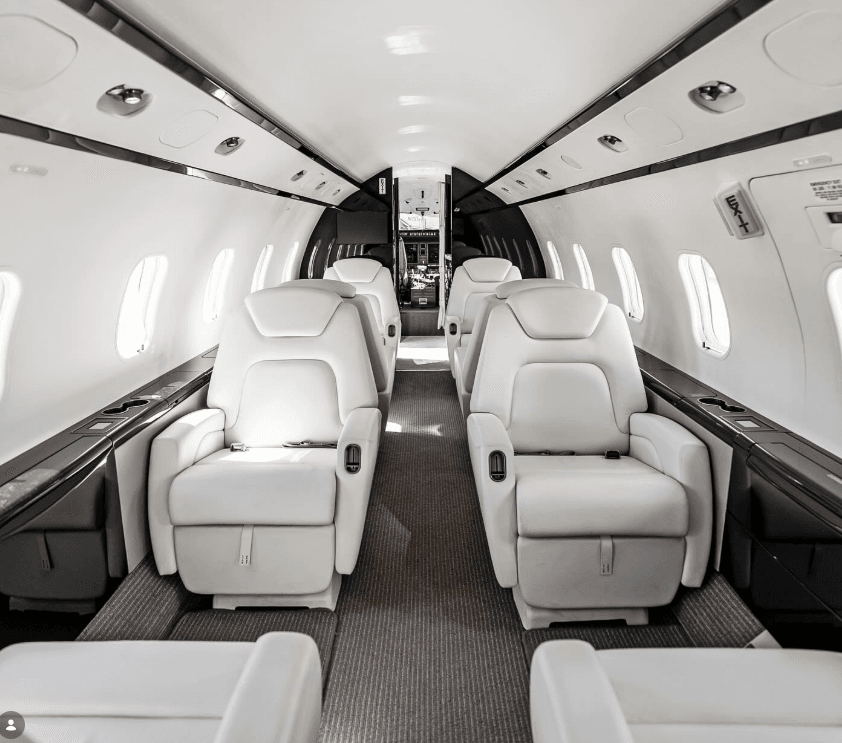
In the evolving landscape of luxury air travel, the comfort dividend is a strategic measure of how cabin design and service precision collectively enhance passenger emotional well-being. It is more than physical comfort; it encompasses psychological satisfaction, reduced stress, and a profound sense of safety and relaxation. For premium airlines like Hera Flight, the comfort dividend is a core differentiator that transforms air travel into an emotionally restorative experience.
Modern passengers prioritize emotional comfort alongside safety and punctuality. Anxiety from crowded cabins, turbulence, and noise can detract from the travel experience. By integrating ergonomic cabin design, ambient environment optimization, and anticipatory service, airlines can significantly elevate passenger mood, reduce travel-related stress, and foster enduring brand loyalty.
Cabin design now functions as a psychological tool, shaping passengers’ emotional states. Thoughtful spatial organization, open layouts, and visually soothing aesthetics foster calmness and reduce sensory overload, contributing directly to the comfort dividend.
Proper ergonomic design ensures physical ease and mitigates discomfort during long flights. Adjustable seats, ample legroom, and intuitive cabin features support both physical and emotional well-being, reducing fatigue and stress.
Seat layout - pitch, width, orientation - affects privacy, social interaction, and personal space, balancing openness with comfort. Strategic design helps alleviate anxiety associated with confinement, promoting a sense of freedom even in limited space.
Ambient lighting, color palettes, and temperature regulation influence circadian rhythm and mood. Hera Flight employs dynamic lighting and muted tones to simulate natural cycles, creating a restorative and emotionally stabilizing cabin environment.
Service precision refers to accurate, anticipatory, and consistent execution of passenger needs, fostering trust and emotional reassurance.
Well-trained crews proactively address passenger requirements, from meal preferences to cabin temperature, ensuring an uninterrupted and harmonious experience that enhances the comfort dividend.
Personalized interactions, including name recognition and preference memory, strengthen passenger engagement and emotional attachment to the airline.
Consistency in service delivery - timely announcements, meal schedules, and in-flight support - creates predictability, which is psychologically comforting for passengers.
Design elements such as wide aisles, clear sightlines, and open layouts reduce feelings of confinement, a key source of in-flight anxiety.
Adjustable seats, lumbar support, and in-flight entertainment allow passengers to fully unwind, transforming cabins into a restorative space that supports mental well-being.
Partitions, noise-absorbing panels, and seating zones provide personal sanctuaries, ensuring emotional safety and a sense of control over the environment.
The comfort dividend is most impactful when cabin design and service precision converge, creating a seamless, stress-free passenger experience.
Hera Flight utilizes ergonomic seating, adaptive lighting, and spatial zoning to reduce stress and enhance emotional well-being, promoting both comfort and privacy.
Predictive service strategies ensure every passenger need - from dietary preferences to personal space - is met proactively, reinforcing the emotional impact of the cabin environment.
Measuring the Impact of Comfort Dividend
Surveys, Net Promoter Scores (NPS), and qualitative feedback quantify satisfaction and demonstrate the emotional benefits of design and service integration.
Indicators such as reduced stress, increased relaxation, and improved mood provide measurable evidence of emotional well-being.
Passengers experiencing emotional comfort are more likely to repeatedly choose Hera Flight, creating measurable commercial value from the comfort dividend.
AI enables real-time adaptation to passenger preferences, delivering customized seating, lighting, and service adjustments that enhance comfort.
Sensors and adaptive technologies regulate temperature, lighting, and airflow in response to passenger needs, creating a responsive, emotionally supportive environment.
Wearables monitor stress and fatigue, allowing crew or cabin systems to intervene proactively, reinforcing emotional comfort.
Airlines must optimize resources without compromising comfort or service precision.
Investment in ergonomic design, ambient systems, and staff training must yield tangible improvements in satisfaction and loyalty.
Achieving anticipatory service requires ongoing training, monitoring, and performance feedback, ensuring consistent excellence.
Integrating natural elements - textures, patterns, and simulated daylight - enhances calmness and emotional recovery.
Soundscapes, tactile surfaces, and aromas evoke positive emotions, transforming air travel into a restorative, multi-sensory experience.
AI-driven, predictive systems ensure real-time adaptation to passenger emotional and physical needs, establishing the new standard in luxury aviation.
The comfort dividend represents a strategic imperative in modern aviation. By aligning luxury cabin design with precision service, Hera Flight transforms air travel into an emotionally restorative experience. Prioritizing passenger emotional well-being strengthens brand loyalty, differentiates the airline in a competitive market, and positions comfort as a core metric of excellence in air travel.
The comfort dividend is the measurable and experiential benefit passengers gain from well-designed cabins and precise, anticipatory service, enhancing emotional well-being and satisfaction.
Cabin layout, ergonomics, ambient lighting, and color schemes influence mood, reduce stress, and create a psychologically comfortable environment.
Precise, anticipatory service reduces uncertainty, meets passenger needs proactively, and strengthens emotional connections with the airline.
Yes, AI, smart cabin systems, and wearables enable real-time adaptation to passenger preferences, creating personalized and emotionally supportive experiences.
Surveys, biometric indicators, mood tracking, and loyalty metrics provide evidence of emotional comfort and its effect on passenger satisfaction.
Dynamic lighting, color psychology, and ambient controls reduce fatigue, regulate circadian rhythms, and foster relaxation and calmness.
Hera Flight combines ergonomic seating, adaptive lighting, intuitive cabin layouts, and precision-trained crew to seamlessly integrate design and service, maximizing passenger emotional comfort and loyalty.