


Charter Flights

Available Fleet

Blog
Contacts


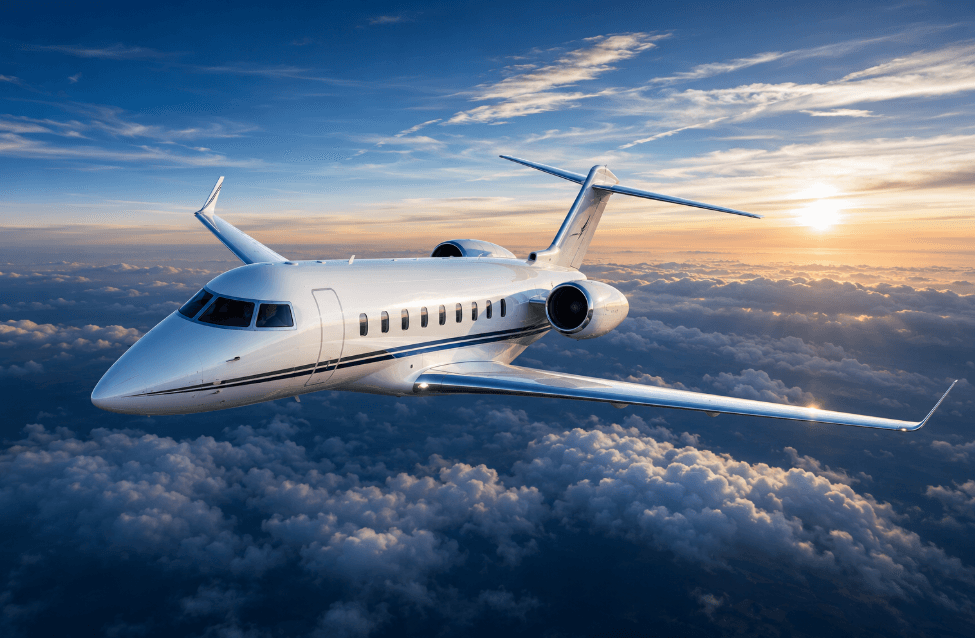
Travel is not experienced solely through transportation. Every journey is psychologically shaped by the destination itself — its cultural symbolism, emotional associations, sensory atmosphere, and perceived exclusivity. In aviation, particularly within premium and private travel environments, destinations significantly influence passenger expectations, emotional states, and overall travel satisfaction long before the aircraft reaches its final location.
Modern aviation increasingly recognizes that passenger experience begins not at arrival, but during anticipation and psychological preparation for place-based experiences. Luxury coastal resorts, financial capitals, alpine retreats, island destinations, and global entertainment hubs each create distinct emotional frameworks that influence how passengers perceive comfort, privacy, time, and mobility.
Private aviation intensifies these psychological effects by making the travel experience more personalized, controlled, and immersive. High-net-worth travelers increasingly associate private aviation not simply with transportation efficiency, but with emotional continuity between departure environment, in-flight experience, and destination identity.
Programs such as the Hera 10-Hour S Jet Program reflect the growing emphasis on adaptable, personalized mobility experiences that align with modern traveler expectations across international destinations.
Research in aviation psychology and passenger behavior increasingly demonstrates that environmental design, privacy, spatial control, and destination association directly affect emotional well-being and traveler satisfaction.
Place as a Psychological Trigger
Destinations carry strong symbolic and emotional meaning. Certain locations evoke feelings of prestige, relaxation, ambition, exclusivity, nostalgia, or personal achievement.
For example:
Passengers psychologically project these meanings onto the travel experience itself.
As a result, aviation becomes partially shaped by emotional anticipation rather than transportation mechanics alone.
Anticipation and Emotional Framing
Psychological research consistently shows that anticipation significantly affects how experiences are perceived and remembered.
In private aviation, anticipation is often heightened because travelers experience:
The destination, therefore, becomes integrated into a broader emotional narrative that begins before departure.
Travelers flying to leisure-oriented destinations frequently seek calm and sensory comfort, while those heading to financial or diplomatic centers may prioritize focus, efficiency, and productivity.
Airports as Transitional Emotional Spaces
Modern airports increasingly function as psychological transition environments rather than purely logistical infrastructure.
Research on airport “sense of place” demonstrates that terminal design, cultural identity, spatial layout, and atmosphere significantly influence passenger emotions and perceptions of the destination.
Passengers often subconsciously associate airport experiences with the destinations they represent.
Factors influencing emotional perception include:
Airports serving luxury or tourism-focused destinations increasingly emphasize local identity and emotional storytelling.
Stress Reduction Through Spatial Control
Commercial air travel often creates psychological stress because passengers experience limited control over space, timing, and movement.
Private aviation reduces these stressors by offering:
Research on private aviation psychology indicates that autonomy and environmental control strongly influence passenger emotional well-being.
This psychological shift becomes especially significant when traveling toward emotionally charged or high-profile destinations.
The Symbolic Role of Elite Destinations
Luxury destinations often function as extensions of personal identity and social positioning.
For many travelers, destinations such as:
represent curated lifestyle environments associated with exclusivity, status, and emotional escape.
Private aviation strengthens these associations by creating continuity between transportation and destination identity.
The aircraft itself becomes part of the broader symbolic experience.
Exclusivity and Emotional Perception
Psychological studies suggest that exclusivity influences emotional behavior, confidence, and perception of control.
Passengers traveling privately often report feelings associated with:
These emotional responses may intensify when traveling toward destinations associated with luxury, prestige, or personal achievement.
Destinations Shape Behavioral Expectations
Different destinations create distinct psychological expectations regarding service style, communication, and social behavior.
For example:
Passengers often unconsciously adjust their emotional behavior to the destination culture before arrival.
This affects how they perceive:
Aviation as Cultural Transition
Long-haul aviation increasingly functions as a transitional psychological environment between cultural systems.
Cabin design, catering, communication style, and onboard atmosphere may all contribute to preparing passengers emotionally for destination-specific environments.
This is particularly important in premium aviation, where passenger expectations regarding personalization and emotional continuity are exceptionally high.
Memorable Travel Psychology
Research into airport and passenger experience demonstrates that memorable travel environments strongly influence future behavioral intentions and emotional recall.
Sensory factors contributing to memorable aviation experiences include:
These elements become psychologically connected to the destination itself.
Passengers frequently remember entire journeys holistically rather than separating transportation from destination experience.
Emotional Continuity in Luxury Aviation
Private aviation increasingly emphasizes emotional continuity across all stages of travel.
This may involve:
The objective is not simply operational efficiency, but emotional alignment between traveler expectations and destination identity.
Productivity-Oriented Travel Psychology
Not all destinations are associated with relaxation or leisure. Financial and corporate centers often create performance-oriented psychological expectations.
Travelers heading toward:
may prioritize:
Private aviation environments often support these psychological priorities by minimizing stress and preserving mental clarity.
Research on aviation psychology indicates that travel-related stress directly influences emotional regulation, concentration, and behavioral response.
The Importance of Control and Predictability
Business travelers frequently associate control with psychological comfort.
Private aviation provides enhanced control through:
These characteristics significantly affect passenger perception of productivity and operational readiness.
AI and Predictive Passenger Preferences
Modern aviation increasingly uses predictive analytics to personalize travel experiences according to destination psychology and passenger behavior.
Advanced systems may analyze:
This data allows operators to create increasingly individualized mobility experiences.
Smart Airport and Cabin Design
Digital infrastructure now supports more adaptive passenger environments involving:
These technologies enhance emotional comfort while reinforcing continuity between the aviation and destination experiences.
Hyper-Personalized Mobility Ecosystems
Future aviation systems will likely place increasing emphasis on emotional personalization and experiential continuity.
Potential developments may include:
These innovations will likely deepen the relationship between destination psychology and aviation experience.
Aviation Beyond Transportation
As luxury mobility evolves, aviation is increasingly becoming part of broader emotional and lifestyle ecosystems rather than functioning solely as transportation infrastructure.
Passengers increasingly evaluate journeys according to:
The future of premium aviation may therefore depend as much upon emotional intelligence and environmental psychology as operational performance itself.
The psychology of place plays a profound role in shaping passenger experience within modern aviation. Destinations influence emotional expectations, behavioral responses, sensory perceptions, and overall travel satisfaction long before arrival.
Private aviation amplifies these effects by creating personalized environments in which mobility becomes emotionally integrated with destination identity, lifestyle aspirations, and psychological comfort. Luxury resorts, financial capitals, entertainment hubs, and cultural centers each create distinct emotional frameworks that influence how passengers perceive time, space, privacy, and control.
Research in aviation psychology increasingly demonstrates that environmental design, autonomy, sensory atmosphere, and destination association significantly affect passenger well-being and memory formation.
As aviation systems continue evolving, the most successful operators will likely be those capable of combining operational excellence with emotionally intelligent travel environments designed around the deeper psychological meaning of place and human mobility.