


Charter Flights

Available Fleet

Blog
Contacts


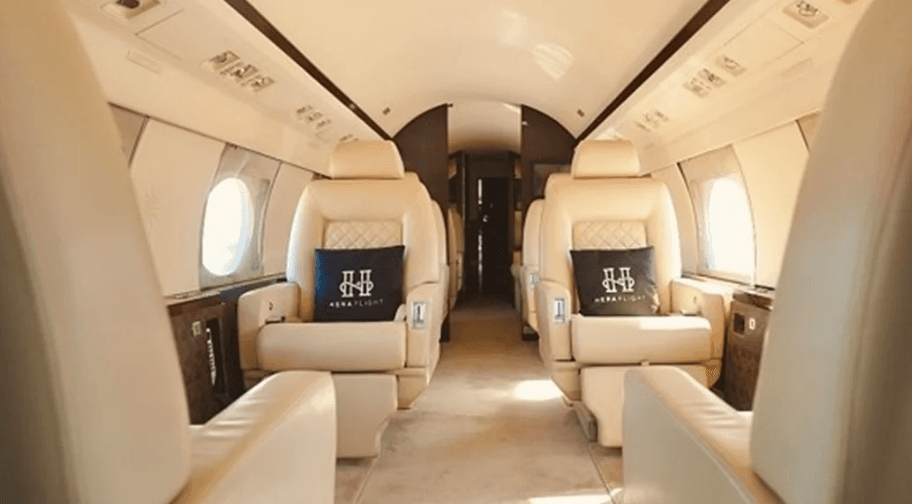
In private aviation, the true value of a flight extends far beyond speed, convenience, or even luxury. For elite clients - executives, entrepreneurs, and high-net-worth individuals - flying privately is a strategic exercise in autonomy, control, and psychological optimization. Unlike commercial air travel, which imposes rigid schedules, operational constraints, and constant exposure to other travelers, private aviation preserves the client’s agency, allowing them to structure travel around their priorities rather than conform to external timetables.
The psychological implications are profound. Time becomes a controllable resource, enabling the optimization of productivity and rest. Dignity is reinforced through operationalized privacy and discretion, preserving social and reputational capital. Presence - both cognitive and physical - is enhanced because clients are insulated from the interruptions, delays, and stressors that are endemic to commercial flight. In this sense, private aviation is more than transportation; it functions as a psychological infrastructure, enabling high-performing individuals to operate at maximum efficiency, focus, and composure.
This article examines how elite private aviation operators systematically engineer these benefits, creating measurable, strategic, and experiential value for clients. The focus is on three interdependent dimensions: time, dignity, and presence.
Time is the most finite and consequential resource available to executives, entrepreneurs, and global travelers. In commercial aviation, time is fragmented, consumed by mandatory schedules, extended boarding processes, security procedures, and uncontrolled delays. Private aviation transforms travel from a consumptive necessity into a controllable, strategic variable, allowing clients to reclaim hours otherwise lost to inefficiency.
Operational mechanisms that enable this transformation include:
By reclaiming hours that would otherwise be lost to inefficiencies, delays, or public exposure, private aviation converts travel time into a strategic asset, creating measurable returns in productivity, decision-making, and personal well-being. In effect, every minute saved reinforces the client’s operational leverage and strategic flexibility.
Dignity in travel is fundamentally tied to privacy and control over exposure. In elite private aviation, discretion is not a courtesy - it is a systemic operational principle embedded across crew protocols, technological systems, and vendor relationships. Unlike commercial flights, where clients are vulnerable to observation, interruptions, and reputational risk, private aviation ensures that every interaction is conducted with professional restraint and confidentiality.
Operational respect for privacy safeguards social capital and professional reputation, ensuring that the act of travel does not introduce psychological or strategic liabilities. For high-net-worth and high-profile individuals, privacy is not merely a preference - it is an asset that requires protection through engineered operational rigor.
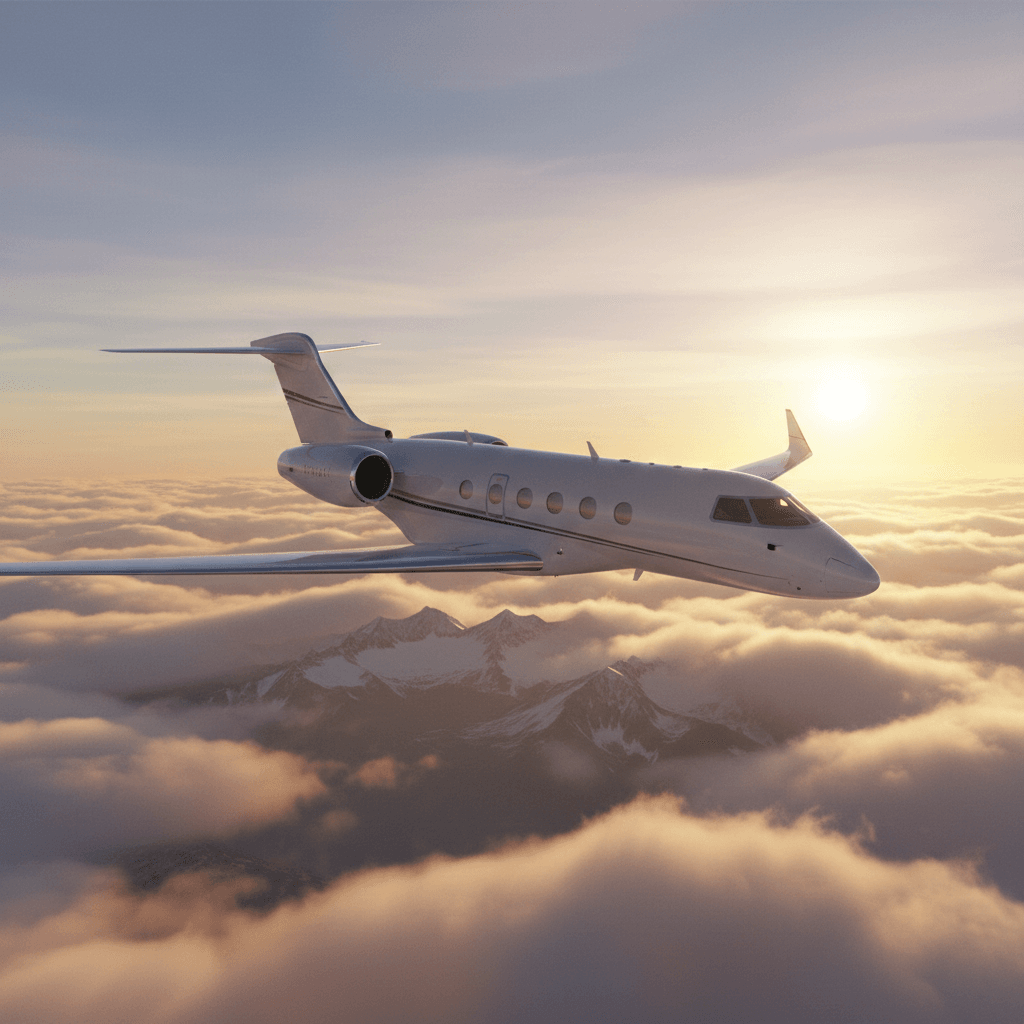
Flying on one’s own terms allows clients to maximize presence - the ability to be cognitively, emotionally, and physically ready upon arrival. Presence is a direct outcome of autonomy in travel: by minimizing stress and interruptions, private aviation clients are able to engage fully with their priorities, whether that involves business negotiations, strategic decision-making, or personal commitments.
Operational practices that enhance presence include:
Presence represents the psychological manifestation of control. Clients who arrive fully prepared, mentally sharp, and physically refreshed maximize the return on their travel investment, reinforcing the strategic value of private aviation as a tool for performance and well-being.
The benefits of time, dignity, and presence are not incidental - they are designed, standardized, and reinforced through operational systems. Elite operators ensure that these psychological outcomes are predictable, repeatable, and measurable, rather than incidental byproducts of luxury.
Key operational elements include:
By embedding these factors into a horizontally integrated operational system, private aviation operators convert psychological benefits into tangible, auditable outcomes. This systemic approach ensures that the value of autonomy is delivered consistently, rather than being contingent on situational luck or individual staff performance.
Conventional metrics in aviation - flight hours, aircraft utilization, or route efficiency - fail to capture the psychological and strategic value of autonomy. To evaluate the effectiveness of private aviation as a tool for client well-being and operational leverage, elite operators assess:
These measures provide objective insight into the strategic and experiential return on private aviation, validating its role as an essential tool for elite clients rather than a discretionary indulgence.
Flying on one’s own terms represents a strategic, psychological asset. Elite private aviation delivers time efficiency, preserved dignity, and optimized presence, creating measurable value that far exceeds the superficial benefits of luxury or speed.
Operators who design experiences with intentional systems, standardized protocols, and cultural reinforcement transform flights into instruments of operational and personal performance. For clients, this form of aviation is not merely a service - it is infrastructure, supporting decision-making, well-being, and strategic presence in ways that commercial alternatives cannot replicate.
Ultimately, the highest form of private aviation value lies in control, autonomy, and peace of mind, enabling high-performing individuals to operate at their fullest potential at every stage of their journey.
By providing control over schedules, ensuring privacy, and enabling clients to arrive mentally and physically ready for engagements, private aviation enhances well-being and operational effectiveness.
Time is finite and consequential for elite clients. Private aviation converts travel from a logistical burden into a controllable, productive, or restorative resource.
Limiting access to sensitive data, training staff in discretion, and minimizing public exposure all ensure travel preserves privacy, reputation, and social capital.
Through tailored cabin environments, minimized cognitive load, and seamless integration with work or personal workflows, clients can arrive focused, rested, and fully prepared.
Yes. Metrics include reductions in wasted travel time, client satisfaction surveys, repeat usage, and operational consistency across flights.
Systemic design, standardized protocols, integrated technology, and crew training ensure predictable, repeatable, and auditable delivery of psychological value.
Because it transforms travel into a tool that preserves autonomy, optimizes time, safeguards dignity, and enables peak presence - delivering long-term, measurable value to clients.