



Charter Flights

Empty Leg Flights
Available Fleet
Blog
Contacts


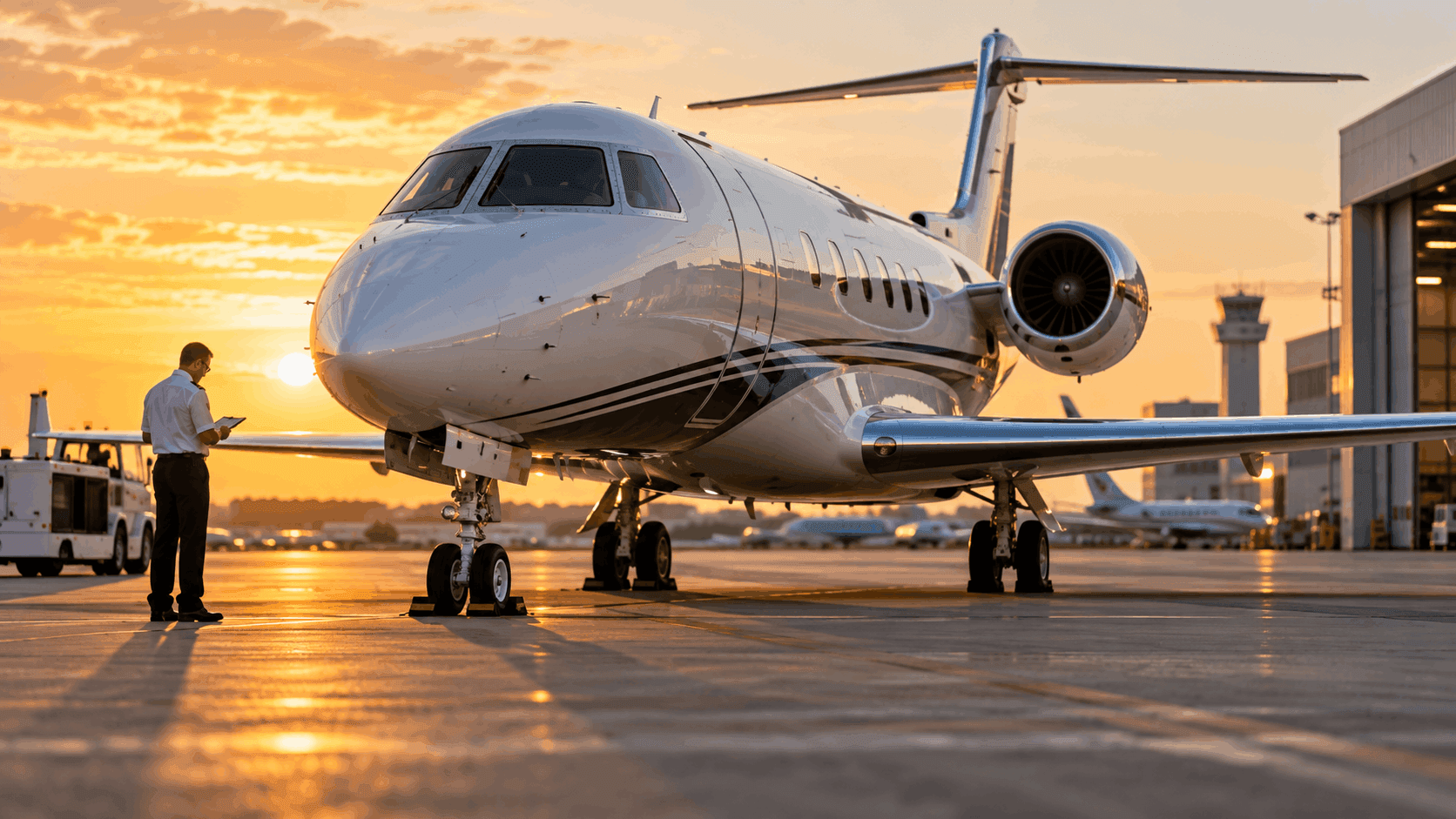
Private jets are designed around flexibility, but that flexibility creates a unique operational reality: aircraft do not always finish one trip in the same place where the next trip begins. As a result, private jets sometimes need to fly without passengers in order to reach the right airport for their next assignment.
These movements are known as repositioning flights. Although they may appear inefficient at first glance, they are often an essential part of private aviation operations and help keep aircraft, crews, and schedules aligned.
A repositioning flight occurs when a private jet travels from one airport to another without paying passengers on board. The purpose of the flight is operational rather than passenger-driven.
For example, an aircraft may complete a charter from New York to Miami but have its next booked trip departing from Orlando. The jet must move from Miami to Orlando before it can serve the next passengers. That flight is a repositioning segment.
Private aviation is built around customized travel. Unlike commercial airlines, private jets do not follow a fixed daily network of scheduled routes. Instead, each trip may begin and end at completely different airports.
One passenger may request a one-way flight to a vacation destination, while the next passenger may need the same aircraft in another city. Because the aircraft must physically move between those points, repositioning becomes a normal part of fleet operations.
One-way trips are one of the most common reasons private jets fly empty. If a passenger books a charter from Los Angeles to Las Vegas but does not need a return flight, the aircraft may no longer be in the location required for its next assignment.
It might need to return to its base or continue to another airport. In either case, the aircraft must be repositioned. This is why one-way charter pricing can sometimes include costs associated with empty aircraft movements.
Some aircraft are normally based at a specific airport. After completing a charter, the jet may return to that home base for parking, maintenance, crew changes, or its next scheduled mission.
If there are no passengers traveling in the same direction, the return flight may operate empty. This type of repositioning helps keep aircraft where operators need them for future trips.
Private aircraft schedules can change rapidly. A jet may complete one trip in one region and then be assigned to pick up another group in a completely different location.
If the aircraft is the best available option for the next mission, it may need to fly empty to the new departure airport. This can happen when demand is high or when a particular aircraft category is needed for a specific route.
Aircraft location is only part of the equation. Crew duty time, rest requirements, training schedules, and availability can all influence how an aircraft is positioned. In some cases, repositioning the aircraft allows a fresh crew to begin the next trip from a more practical location.
Private jets also reposition for maintenance. An aircraft may need to fly to a specialized service center for an inspection, repair, avionics work, or scheduled maintenance event. If no passengers are traveling in that direction, the flight will operate empty.
Not every airport can accommodate every private jet at all times. Parking restrictions, runway limitations, weather, congestion, curfews, or lack of hangar space can require an aircraft to move after dropping off passengers.
For example, a jet may deliver travelers to a busy airport but then reposition to a nearby airport where parking is more practical. Later, it may return when the passengers are ready to depart. This is especially common during major events or periods of high demand.
Empty aircraft movements have real operating costs. Fuel, crew time, airport fees, maintenance reserves, and other expenses apply whether passengers are on board or not.
For this reason, repositioning can influence charter pricing. A flight may cost more if the aircraft has to travel a significant distance before picking up passengers or after dropping them off. Conversely, an aircraft already positioned nearby may offer a more efficient option.
When an aircraft must reposition without passengers, the operator may sometimes offer that segment as an empty leg. Instead of flying the route completely empty, the operator can make the flight available to travelers whose plans match the existing route and schedule.
These opportunities can sometimes be priced below a standard private charter because the aircraft already needs to make the trip. However, empty legs are less predictable because they depend on the original aircraft schedule.
Private aviation companies work to use aircraft efficiently, but repositioning cannot be eliminated entirely. The industry is based on personalized schedules rather than fixed routes, and passenger demand does not always create perfectly matched trips in both directions.
Operators can improve efficiency through fleet planning and charter coordination, but some empty movements will always be necessary. They are part of the operational flexibility that allows private aviation to serve travelers on customized routes and schedules.